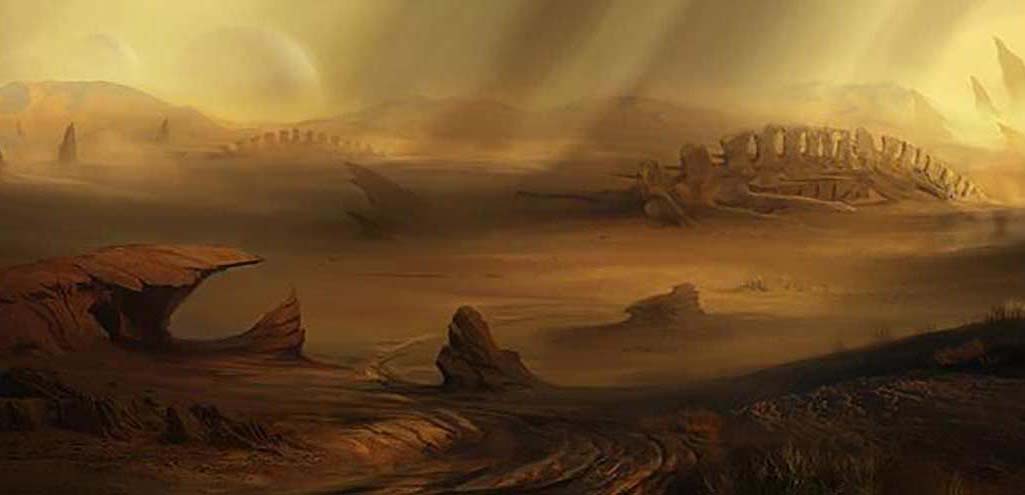
Windslan had once been a remote and isolated nation, perched on the northeastern seaboard of the Wildlands, where few lived and few adventured. It stood apart from the rest of the world, much like Antara, another distant and lonely province. Its inhabitants were sparse and of varied races: the hardy jurell, the stoic Woodslin gor who lived along the shores, and the graceful alana humans. A small number of beastial races also called this untamed land their home, adding to the region’s aura of mystery.
Windslan was a wild and untamed place, its natural beauty rugged and unforgiving. The grassy, rolling hills and rocky earth stretched as far as the eye could see, yet the land remained largely untouched by the hands of civilization. Resources were few, and the people lived simple lives, most clustered around Shirakel, the ancient seat of alana nobility. This lordship, old and weathered by time, had become the heart of Windslan, its capital, where the ruling dynasty held sway over the vast wilderness.
Edge of the World
In the Wildlands, Windslan was often referred to as “the edge of the world.” The remoteness of the nation and its scarce humanoid population lent it a mythical quality. The land boasted only three towns, each no larger than a hamlet compared to the bustling urban centers of other realms. The people were scattered across the region, living in small, secluded villages that dotted the countryside like whispers lost to the wind. Even the land itself seemed to exist on the fringes of the known world, its vast expanses stretching toward the horizon, far from the reach of outsiders.
Notable Locations:
Shirakel
Shirakel was not a town in the traditional sense. It was the seat of power, the ancient stronghold where the Shirakel dynasty ruled. The Citadel of Shirakel, a grand and imposing structure, sat high upon a hill overlooking the surrounding lands. Lady Queen Ariella Shirakel held dominion here, and while her rule was firm, her subjects revered her and the Citadel alike. Despite its isolation, the Citadel was considered the jewel of Windslan, cherished by its human citizens as a symbol of their enduring legacy.

nation
grassland, mountains
humans, half-elves, satyrs, lycans, moon dwarves
continental
85,000
Shirakel
ancient exarchs, druidic, astropaganism
textiles, leather goods, ceramics, chimes, spices, spirits
whetius, vegetables, crafting tools
Inverness
Inverness, the third largest settlement in Windslan, was a port-town clinging to the rocky coastline of the northeast. Its harbor, while modest, served as the lifeline to the sea, connecting the remote nation with distant lands. The salt-laden winds that swept through Inverness whispered tales of faraway places, and the town’s few ships braved treacherous waters to bring in goods from other realms.
Rogswort
Rogswort, a small crossroads town in central Windslan, was the heart of trade for the region. Here, the locals gathered to barter goods, and the town’s market square bustled with activity on trading days. Rogswort was also home to the infamous Black Paw’s Tavern, an inn where travelers from all walks of life could be found swapping stories over ale. The tavern, shrouded in a mixture of mystery and notoriety, was known far and wide for its rowdy patrons and the occasional brawl.
Crags of Ashnåven
The Crags of Ashnåven were a natural wonder, towering rock formations that rose along the eastern seaboard like sentinels from an ancient age. These sheer-faced crags, reaching hundreds, sometimes thousands, of feet into the sky, were a testament to the earth’s relentless power, carved over millennia by the hands of time and tide. The crags were as beautiful as they were treacherous, and many who ventured too close to their jagged edges never returned.