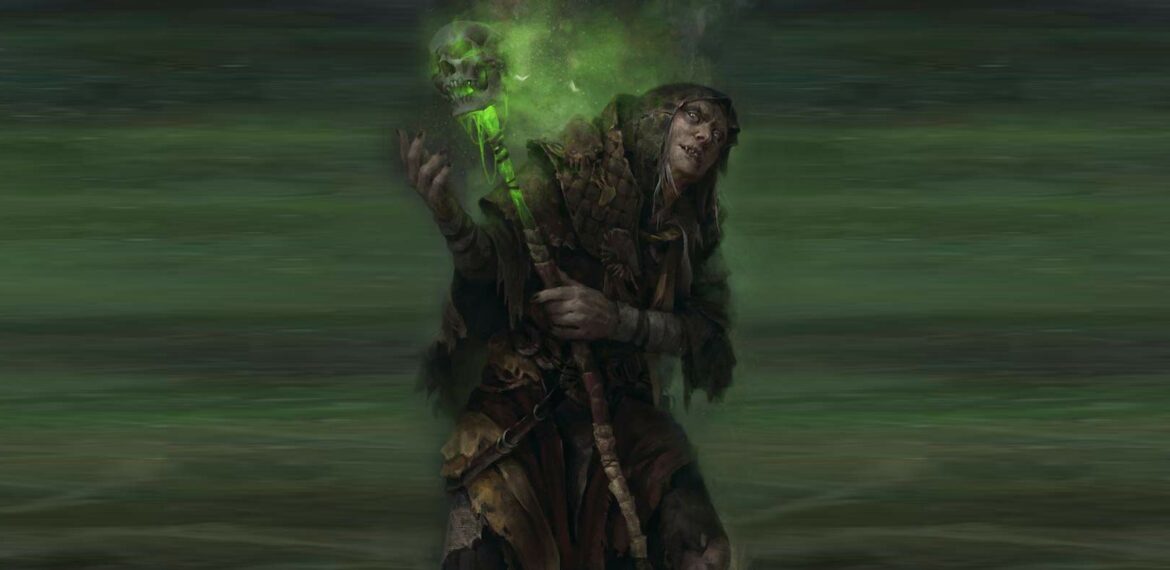
Voodoo Magic was an enigmatic and potent school of magic, said to have been drawn from the ancient Awasa shamans who once thrived in the mysterious lands of Acamiajem, a fog-veiled peninsula off the southern coast of Streng. This arcane practice was steeped in shadowed traditions, whispered secrets, and blood-bound rituals, and it was largely regarded as an ancient, esoteric, and sinister form of magic. Legends spoke of the Awasa communing with spirits of the dead, binding their power to their own through a pact of sacrifice and devotion. Their magic pulsed with a raw, primal energy that seemed to defy the natural order, invoking fear and awe alike.
This dark art had long been criticized by sorcerers and other magic users of the Wildlands, who viewed its spellcraft as a corrupt and dangerous perversion of magic. Its spell effects—conjuring shadowy apparitions, cursing enemies with ailments, and raising the dead to do the caster’s bidding—struck a chord of unease even among seasoned wizards.
school of magic
druidic
Though its roots were said to lie in the schools of Necromancy and Illusion, with tendrils of Enchantment weaving through its spells, Voodoo’s essence felt wholly alien to the refined traditions of other magical disciplines. It was as though the magic itself had a will of its own, chaotic and unyielding, demanding obedience from its practitioners.
Voodoo in the Wildlands
The spread of Voodoo Magic through the Wildlands was closely tied to the period known as the Dark Age, a time when chaos and shadow blanketed the lands. As civilization fractured and the old kingdoms fell to ruin, practitioners of forbidden arts found fertile ground to grow their influence. It was during this tumultuous era that rogue shamans from Acamiajem ventured forth, carrying their dark craft to the desperate and the wicked. These shamans, often dismissed as wandering heretics, quickly garnered followers among those who sought vengeance, power, or protection in a world turned merciless.
As the magic took root, it evolved, adapting to the needs of the Wildlands’ warlords, mercenaries, and secretive cults. Voodoo Magic became a tool of fear and dominance, its practitioners wielding curses to cripple their enemies and necromantic rituals to amass terrifying armies of the undead. Whispered tales spoke of entire villages being cursed into eternal slumber or warlords who became unkillable through blood-soaked pacts with the spirits. The magic’s reputation darkened further, and its practitioners were hunted in some regions, though their resilience ensured that their craft endured.
Acamiajem
Acamiajem was both the cradle and the heart of Voodoo Magic, an enigmatic land shrouded in perpetual mist and heavy with the weight of ancient spirits. The peninsula was dotted with sacred groves, obsidian stone circles, and crumbling ziggurats where the Awasa shamans conducted their rites. It was said that the very air of Acamiajem hummed with magical energy, and its soil was fertile with the ashes of countless sacrificial offerings. The Awasa believed their homeland was a bridge between the world of the living and the realm of spirits, a sacred nexus where power could be drawn from the afterlife itself.
Legends claimed that the Awasa shamans had struck a bargain with an ancient, nameless entity, an otherworldly being who granted them unparalleled mastery over life and death. This pact became the foundation of their culture and their magic, though it also came at a cost. Over time, the shamans became increasingly withdrawn, their once-vibrant society crumbling under the weight of their dark obsession. When outsiders visited Acamiajem, they often described the land as hauntingly beautiful yet deeply unsettling, as though the spirits themselves watched from the shadows.
Circle of Voodoo
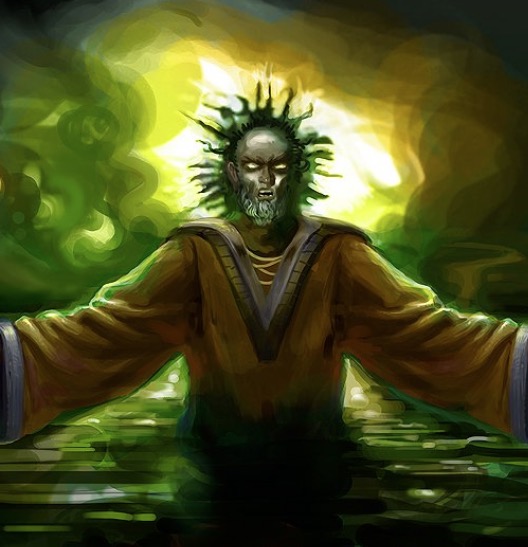
Among the practitioners of Voodoo Magic, there existed a secretive and feared sect known as the Circle of Voodoo. This druidic order, composed of dark-minded druids who called themselves “shamans,” followed the shadowed path of the Voodoo druid. Unlike traditional druids who revered the balance of nature, the shamans of this circle sought to dominate and manipulate natural forces to serve their will. They communed with malevolent spirits, forged pacts with otherworldly entities, and wielded their magic with ruthless precision.
The shamans of the Circle were marked by their eerie appearance, often adorned with bone talismans, spirit masks, and cloaks woven with enchanted feathers. Their rituals were said to be unsettling, involving blood offerings, chanting in forgotten tongues, and invoking spirits to possess their bodies. Because of their dark crafts, they were viewed with suspicion and fear by other druids and magical orders. Many believed the Circle of Voodoo had forsaken their humanity, their hearts consumed by the very spirits they sought to control.
Despite the fear they inspired, the Circle of Voodoo’s influence persisted in the shadows. They were often sought out by those desperate enough to pay their steep price, whether for curses, protection, or knowledge forbidden to most. Some whispered that the Circle’s shamans were the true stewards of Voodoo Magic, guarding its secrets and ensuring its survival through the ages. Others feared that they sought to resurrect the long-forgotten entity worshipped by the Awasa, unleashing a power that could plunge the world into darkness once more.
Voodoo Spells
There are several known incantations that originate from voodoo. Typically only true voodoo shaman (druids) learn this magic. Examples of these spells include Greater Self Infliction, Beyond the Grave, Face Rot, Revolting Swarm, Aura of Despair, Puppet and Black Candles.