Nordisa Humans: A Legacy of Strength, Bloodshed and Harmony with Nature
The Nordisa humans, a formidable race from the cold, rugged Northlands, stood apart for their impressive stature, resilience, and unwavering connection to the natural world. Often towering over other human tribes, they were known for both their physical prowess and fierce loyalty to their kin and lands. The Nordisa drew power from their surroundings, seeing themselves not only as part of the world but as stewards of its forces. Through this intimate connection to nature, the Nordisa preserved a unique way of life steeped in druidic beliefs, primal warriors, and beast mastery.
A History of War
The Nordisa, while not inherently evil, held a long and storied history of war and violence, especially in the harsh regions of Hauth, Blackwarg, and Zor. These lands, known for their brutal landscapes and fierce tribes, shaped a people both physically and mentally prepared for conflict. In Hauth, warriors were raised with blood rites and rituals, valuing strength and survival above all else. Blackwarg was famous for its roaming warbands, who defended their mountainous home fiercely, striking with swift and relentless attacks. Zor, a desolate and windswept territory, produced hardened fighters known for their endurance and cunning on the battlefield.
Though the Nordisa often fought in defense of their lands, they also engaged in aggressive campaigns, seeking resources or glory. War was a natural extension of their existence, a testament to their resilience in the face of a world that demanded constant vigilance and unbreakable strength.

medium
6'
humanoid
75-85 years
neutral
druidic
shades of beige
brown, blue, hazel
blonde, brown, red, black
mountain, grassland, forest
Druidic Nature
The Nordisa people held a worldview deeply rooted in druidic traditions. They revered the natural world, embracing an animistic philosophy that saw spirits in all aspects of their environment—trees, rivers, mountains, and animals. This belief system fueled their respect for nature and their conviction that every living thing was interconnected. Nordisa shamans, often referred to as “Green Wards” or “Earthspeakers,” were spiritual guides for their people. They communed with nature and often acted as mediators between the tribe and the unseen forces of the world, interpreting signs, offering protection, and blessing hunts and battles alike.
Unlike many other humans, the Nordisa rarely built grand stone structures or fortified cities, believing instead that their strength lay in harmony with the land. They constructed their settlements with timber, earth, and hides, integrating their homes into the landscapes rather than dominating them. These villages often had sacred groves nearby, places of communion where the Green Wards would gather for rituals, ceremonies, and gatherings under the stars.
Primal Warmaster Fighters
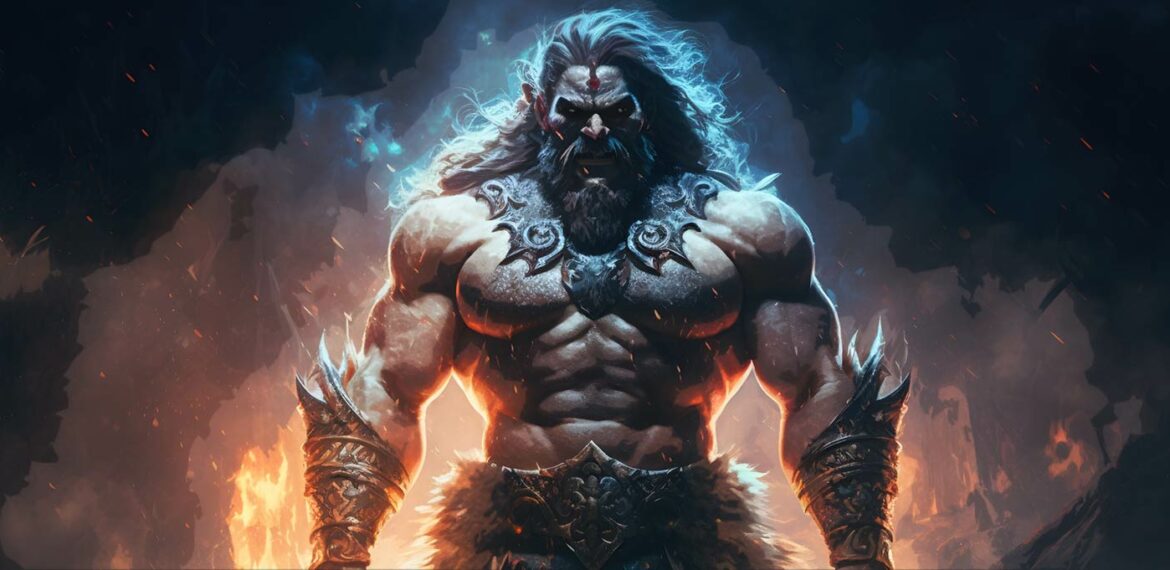
The Nordisa were known for their intense, primal nature, which often translated into an unrelenting ferocity on the battlefield. This aspect of their culture was embodied in their creation of the Primal Warmaster Fighters, elite warriors who channeled raw, unrefined energy into their combat skills. Trained from an early age, these Warmasters learned to harness their inner fury, which they viewed as a gift from the ancient animal spirits. They fought with an almost supernatural rage that made them nearly unstoppable, even when faced with superior numbers. Primal Warmasters often wore the hides and bones of apex predators, symbolic of the strength and ferocity they sought to emulate.
These Warmasters fought in an animalistic style, guided by animal instincts as much as by technique. They wielded heavy weapons such as massive axes and warhammers, though some even fought with clawed gauntlets, designed to rip and tear as much as strike. The legend of these fighters was so fearsome that tales of their battles often spoke of them fighting until the last breath, preferring death to dishonor or surrender. To encounter a Primal Warmaster on the battlefield was to face the full, primal rage of the Northlands itself.
Path of Chaos
It was the Nordisa who founded a Barbarian Path, known as the Path of Chaos. This path leads barbarian warriors to embrace primal fury and unpredictability in battle. Channeling their raw energy, Chaos Barbarians fought in a trance-like state, wielding the untamed power of ancient animal spirits. Their attacks are wild and fierce, embodying the spirit of apex predators and invoking fear on the battlefield. Some Chaos Barbarians even practiced cannibalism, believing that consuming the flesh of fallen enemies granted them strength and insight. Those who walk this path wield clawed gauntlets or brutal weapons, tearing through foes, driven by a deep, primal bond with nature’s wrath.
Beast Hordes
In their world, the Nordisa shared a profound bond with wild beasts, particularly apex predators. They were famed for their skill in beast mastery, training creatures that others could barely control. The Nordisa raised and trained everything from wolves and boars to giant cats and even dire crows, creatures that served as scouts, hunters, and war companions. They saw these animals not as mere tools, but as extensions of their own tribe—valuable allies in both domestic life and battle.
The most feared creatures among the Nordisa’s Beast Hordes were the tyranoxs, enormous predatory beasts with thick hides and powerful jaws. Only the most skilled beastmasters could tame a tyranox, and to ride one into battle was seen as the ultimate mark of honor. Dire crows, massive black birds with keen intelligence, were used for reconnaissance and often flew alongside Nordisa armies, their screeches haunting the air as they descended upon foes. The Nordisa’s beast hordes struck terror into any who opposed them; to face them meant not only confronting the Nordisa warriors but also their ferocious allies from the wild.
Hauth: The Land of Blood and Fire
The Hauth region of the Nordisa lands was notorious even among their own kind. Isolated and surrounded by unforgiving wilderness, the people of Hauth were hardened by a life of extreme violence. Known for their brutality and extreme customs, the Hauth were both feared and respected by other Nordisa. Their belief system was darker, more bloodthirsty than that of other Nordisa tribes. Hauth warriors were known to practice ritualistic scarification and wore necklaces of bone to honor their ancestors and invoke the spirits of those they had slain.
Among the most disturbing practices of the more violent factions of Nordisa from Hauth was their occasional descent into cannibalism. Legends told of them eating the hearts of fallen enemies, believing it granted them the strength of those they consumed. Though not all Hauthian Nordisa engaged in such practices, this reputation cast a dark shadow across the region, and the sight of a Nordisa warrior on the battlefield struck terror into the hearts of many. The Hauth were fiercely loyal to each other but merciless toward anyone who dared oppose them. They believed in survival through strength alone, seeing themselves as the ultimate predators.
Lust for Life
Despite their ferocity, the Nordisa held an equally fierce zest for life. They were known for living with abandon, embracing both joy and hardship with equal passion. Nordisa songs and tales were often loud and boisterous, celebrating victories, lamenting fallen heroes, and extolling the beauty of the world they fiercely protected. Every Nordisa was expected to live each day to the fullest, which made them brave, brawny, and unafraid of death.
For the Nordisa, to live was to engage fully in all that life had to offer, whether in feasting, dancing, or the thrill of the hunt. They threw themselves into both battles and celebrations with equal energy, finding joy in simple pleasures. Even with the ever-present threat of death, their pride drove them to face any challenge without hesitation. Nordisa children were taught to fear nothing, respect everything, and live in a way that would make their ancestors proud.
While the Nordisa may be remembered as brutal and primal, they were also known for their loyalty, courage, and insatiable lust for life. A people of extremes, they embodied both the harshness of the wilderness and the warmth of a roaring fire, always standing ready to defend the land they cherished so deeply.