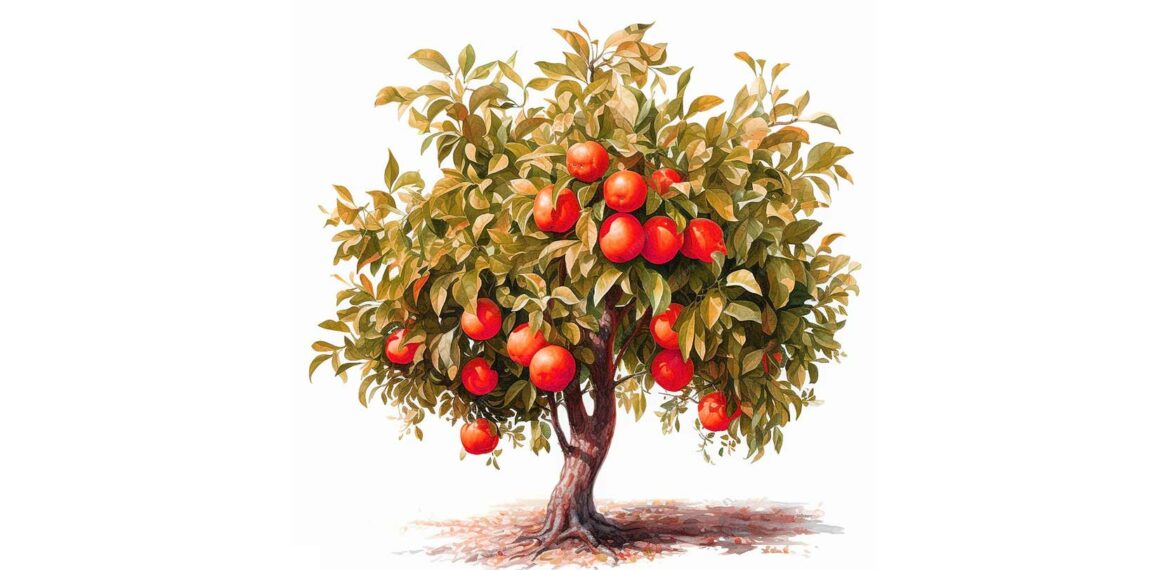
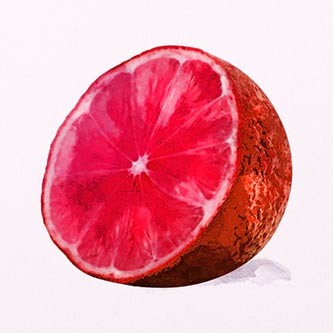
The Chime was a round tree fruit about the size of a small apple. It grew on small fruit bushes that sprouted pale green and yellow leaves. The skin of the fruit was bright red, while the mesocarp (flesh) of the fruit was a vibrant reddish-pink. The fruit was renowned for its delicious taste, combining the sweetness of citrus with a refreshing tang.
The fruit originated from southern Vüdos and Streng, where it was widely cultivated. It became one of the most consumed foods in all of the Wildlands. Chimes were traded and transported across the continent, their popularity making them a staple of diets and markets. They could be peeled and eaten directly, offering a wealth of healthy nutrients, and were also used as key ingredients in desserts, candies, beverages, and even wine.
farmed fruit
subtropical
Chime Caravans
During their height, the infamous Chime caravans became a common sight across the Wildlands, carrying the prized fruit to distant regions. These caravans, loaded with crates of Chimes, attracted the attention of both traders and criminals. Bandits often ambushed the caravans, not for gold or jewels, but simply to steal the coveted fruit. Stories told of entire brigand gangs who thrived on raiding Chime shipments, their spoils consumed or sold at black markets. Despite the dangers, the caravans persisted, their armed guards and clever routes a testament to the fruit’s immense value.
Chime Farmers of Vüdos
Vüdos was the birthplace of the Chime, and its farmers had cultivated the fruit for eons. These growers were regarded as “master growers,” their expertise unmatched in the world of horticulture. The soil of southern Vüdos was said to be enchanted, ideal for the cultivation of the Chime, though it was the skill of the farmers that truly brought out the fruit’s perfection. Over generations, the farmers developed advanced techniques, refining their craft and earning a reputation as the best horticulturists in the world. Their dedication to the Chime was both a source of pride and a cornerstone of their culture.
Farmer Revolts
The history of Chime cultivation was not without strife. The farmers of southern Vüdos, despite their skill and labor, were often exploited by the ruling lords of the region. This exploitation led to a series of bloody revolts, with two of the most significant uprisings etched into the annals of history.
Lomykanos, 110 MA
The revolt of Lomykanos erupted in 110 MA when the lords of southern Vüdos imposed crippling taxes on Chime farmers, demanding greater yields while offering little protection from bandit attacks on their caravans. Tensions boiled over when a particularly harsh winter left the farmers struggling to meet the quotas. Enraged by the lords’ indifference, the farmers banded together, forming a militia that laid siege to the estates of their oppressors. The revolt lasted three years, marked by brutal skirmishes and the eventual burning of several key lordly manors. Though the rebellion was ultimately quashed, it forced the lords to lower taxes temporarily, and it became a symbol of resistance for future generations.
The Final Harvest, 443 MA
The revolt known as the Final Harvest occurred centuries later, in 443 MA, during a period of widespread famine. The lords of southern Vüdos, desperate to fill their coffers, demanded nearly the entirety of the Chime harvest, leaving the farmers to starve. This act of greed sparked a desperate and violent uprising. Unlike Lomykanos, this revolt was more coordinated, with farmers employing guerilla tactics to dismantle the lords’ forces and disrupt trade routes. The rebellion earned its name when the farmers destroyed their own crops to deny the lords any profit, an act of defiance that devastated the region’s economy for years. Though the revolt ended in bloodshed, with the lords regaining control, it left a lasting legacy. The phrase “Final Harvest” became a rallying cry for oppressed farmers across the Wildlands.